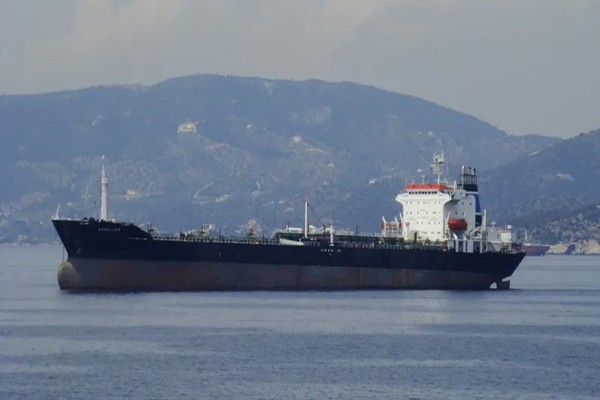
India’s imports of Russian crude hit a record high in June, reinforcing Russia’s position as the country’s largest oil supplier.
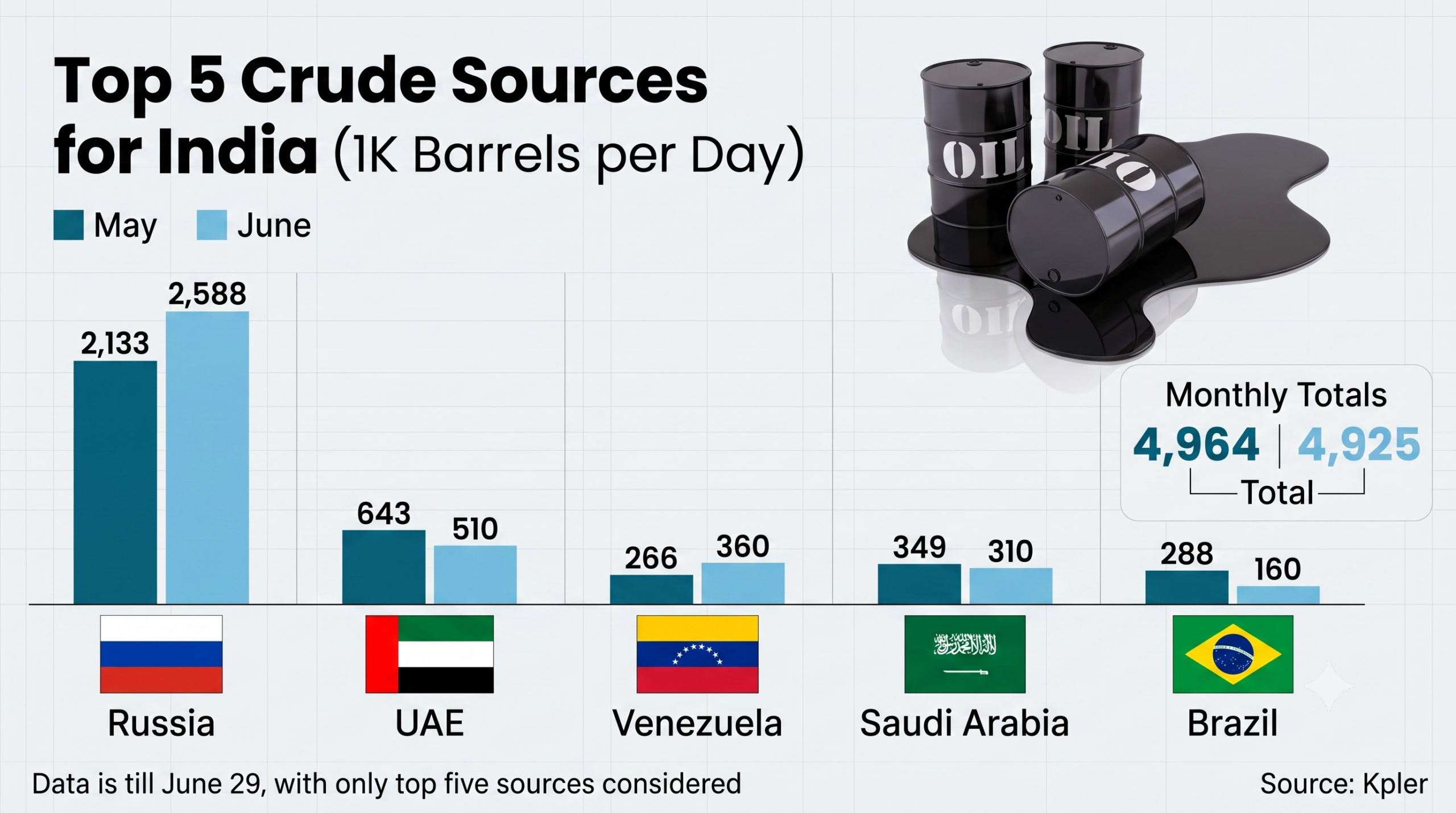
According to vessel-tracking data from commodity intelligence firm Kpler, India imported about 2.58 million barrels per day (bpd) of Russian crude in June, accounting for more than half of the country’s total crude imports during the month.
Overall crude imports rose to 4.93 million bpd, the highest ever recorded for the month of June, even as tensions surrounding the Strait of Hormuz continued to unsettle global energy markets.
The June figures capped a strong April-June quarter for Russian oil exports to India. Imports remained steady in April before tensions in West Asia escalated, averaged between 1.95 million bpd and 2.13 million bpd in May, and surged to nearly 2.6 million bpd in June as Indian refiners accelerated purchases to replenish inventories and lock in supplies.
The increase reflects a combination of favourable market conditions and strategic procurement decisions. With Chinese refiners reducing purchases of Russian crude, Moscow redirected more cargoes towards India at discounts of around $2-5 per barrel, making the barrels attractive despite higher freight and insurance costs. At the same time, concerns over supplies from traditional Gulf producers prompted Indian refiners to broaden their sourcing strategy.
The conflict in West Asia and concerns over shipping through the Strait of Hormuz, one of the world’s most important oil transit chokepoints, have sharpened India’s focus on supply security. Nearly 40 per cent of India’s crude imports pass through the waterway, while the country imports almost 90 per cent of the oil it consumes. Any disruption to shipping through the region therefore poses a significant risk to India’s energy security.
Against this backdrop, Russian crude has evolved from being an opportunistic purchase following the Ukraine conflict into a structural component of India’s import basket. While discounted prices continue to improve refinery economics, the more significant advantage has been assured access to reliable supplies during periods of geopolitical uncertainty.
India has simultaneously diversified its supplier base beyond Russia. According to Kpler, the United Arab Emirates supplied around 510,000 bpd in June, while imports from Venezuela rose to nearly 360,000 bpd. Refiners also increased purchases from Brazil and Angola as part of a broader effort to reduce dependence on Gulf suppliers and build greater resilience into their procurement strategy.
Kpler analyst Sumit Ritolia said the resilience of India’s crude imports reflects careful planning rather than a short-term response to geopolitical developments. He said refiners have balanced commercial considerations with energy security by securing supplies well in advance while expanding sourcing options. The higher intake of Russian crude, he added, demonstrates how Indian refiners have optimised procurement costs without compromising supply security despite continued tensions in West Asia.
That planning is expected to provide a cushion against near-term disruptions. Since refiners generally purchase crude cargoes one to two months before delivery, most feedstock requirements through the first half of August have already been secured, reducing the need for immediate spot-market buying even if geopolitical risks persist.
The broader supply outlook also remains favourable. Ritolia expects higher exports from Russia, Venezuela and African producers, together with increased production from OPEC+ members, to keep global crude availability comfortable. He also believes any meaningful return of Iranian crude to India will depend on greater clarity over international sanctions and the regulatory framework governing oil trade.
The latest import figures underline how India’s crude procurement strategy has evolved since 2022. As global energy trade continues to be reshaped by geopolitical tensions, India has combined discounted Russian supplies with increased imports from the UAE, Venezuela, Brazil, Angola and other producers.
The diversified approach has enabled the country to maintain record crude imports while balancing energy security, supply resilience and cost competitiveness.