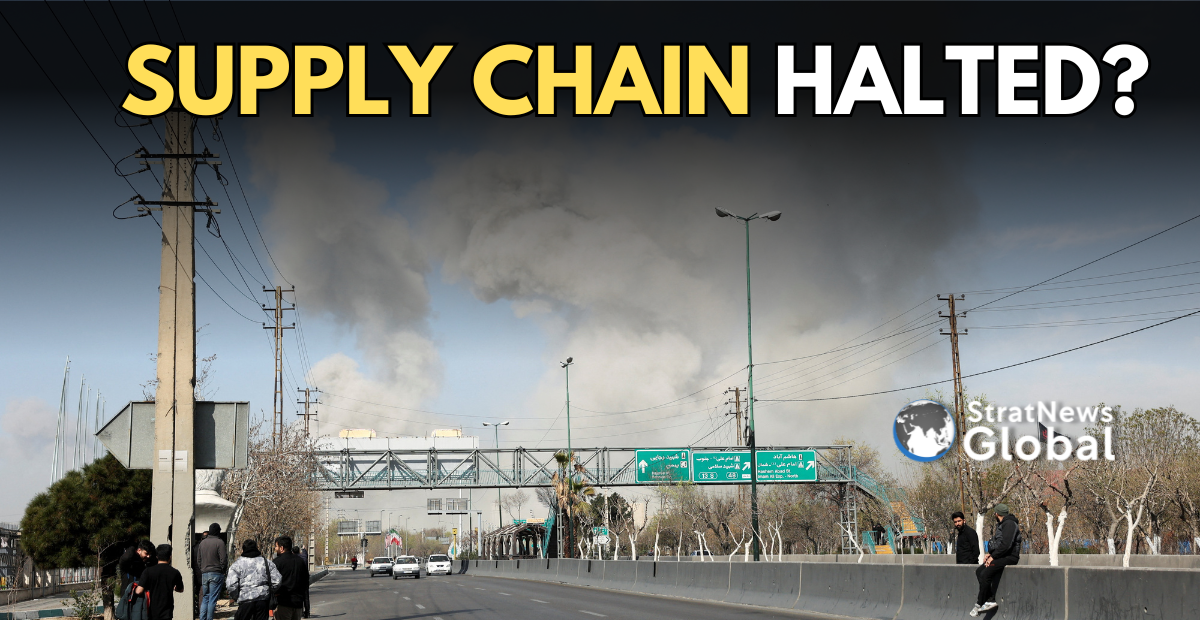
The U.S.-Israel conflict with Iran could disrupt supply chains of key semiconductor manufacturing materials, according to a South Korean ruling party lawmaker.
South Korea’s chip industry, which supplies nearly two-thirds of the global memory chips, has also expressed concerns that the conflict in West Asia, now entering its sixth day, could increase energy costs and processing, Kim Young-bae said after meeting with executives from companies and trade groups.
Can’t Source Key Minerals
“Officials raised a possibility that semiconductor production could be disrupted if some of these key materials cannot be sourced from the Middle East,” he said at a briefing with reporters.
He added that South Korean firms source some key chip-making materials such as helium—necessary for heat management during semiconductor production—from the Middle East. There are only a few countries that produce helium, with Qatar and the U.S. leading players in the industry.
South Korea’s industry is heavily reliant on West Asia for 14 other key items in chip supply chains, including bromine and chip inspection equipment; however, many of these materials can be sourced domestically or from other markets.
The caution comes as chip manufacturers struggle with severe bottlenecks due to rising chip demand from AI data centres, which has tightened supplies for other industries such as automotives, laptops and smartphones.
South Korean chipmaker SK Hynix released a statement confirming that it had secured diverse supply chains and sufficient helium inventory and did not expect a disruption to its procurement. Meanwhile, contract chipmaker GlobalFoundries said it is “in direct contact with suppliers, customers and partners in the region” and that “mitigation plans” are in place.
Data Centres In West Asia
South Korea’s chip industry has also warned that the crisis could lead to setbacks in plans for big tech firms to establish AI data centres in West Asia for the longer term, thus adding pressure on strong chip demand, Kim stated.
On Monday, Amazon said that its data centres in the United Arab Emirates and Bahrain were damaged by drone strikes, which have sparked questions around Big Tech’s pace of expansion in the region.
U.S. tech companies, including Microsoft and Nvidia, have been positioning the UAE as a regional hub for AI computing needed to power services such as ChatGPT.
(with inputs from Reuters)