Pakistan’s Field Marshal Asim Munir faces his toughest test as Washington urges troop deployment to Gaza—a move analysts warn could spark backlash.
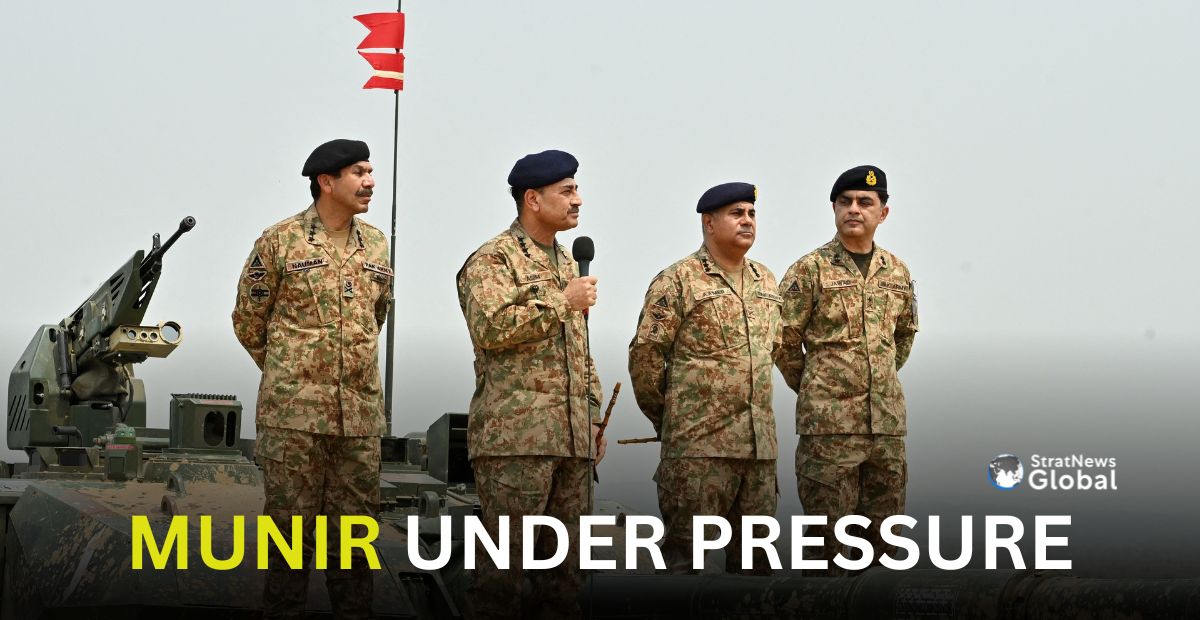
Asim Munir is expected to fly to Washington to meet President Donald Trump in the coming weeks for a third meeting in six months that will likely focus on the Gaza force, two sources told Reuters, one of them a key player in the general’s economic diplomacy.
Trump’s 20-point Gaza plan calls for a force from Muslim nations to oversee a transition period for reconstruction and economic recovery in the war-torn Palestinian territory, decimated by over two years of Israeli military bombardment.
Many nations fear that disarming Hamas could entangle them in conflict and anger pro-Palestinian publics. Yet Munir has cultivated ties with Trump, earning a rare solo White House lunch in June—the first ever for a Pakistani army chief.
‘Pressure To Deliver’
Pakistan, the world’s only Muslim country with nuclear weapons, has tackled insurgencies in its far-flung regions and is currently embroiled in a bruising war with Islamist militants who it says are operating from Afghanistan.
Pakistan’s military strength means “there is a greater pressure on Munir to deliver his capacity,” said author and defence analyst Ayesha Siddiqa.
Pakistan’s military, foreign office and information ministry did not respond to questions from Reuters. The White House also did not respond to a request for a comment.
Pakistani Foreign Minister Ishaq Dar said last month that Islamabad could consider contributing troops for peacekeeping but disarming Hamas “is not our job.”
The Home Front Risk
Over the past few weeks, Munir has met military and civilian leaders from countries such as Indonesia, Malaysia, Saudi Arabia, Turkey, Jordan, Egypt and Qatar, according to the military’s statements, which Siddiqa said appeared to be consultations on the Gaza force.
But the big concern at home is that the involvement of Pakistan troops in Gaza under a U.S.-backed plan could re-ignite protests from Pakistan’s Islamist parties that are deeply opposed to the U.S. and Israel.
A powerful and violentanti-Israel Islamist party that fights for upholding Pakistan’s ultra-strict blasphemy laws was banned in October.
Authorities arrested its leaders and over 1,500 supporters and seized its assets and bank accounts in an ongoing crackdown, officials said.
(With inputs from Reuters)