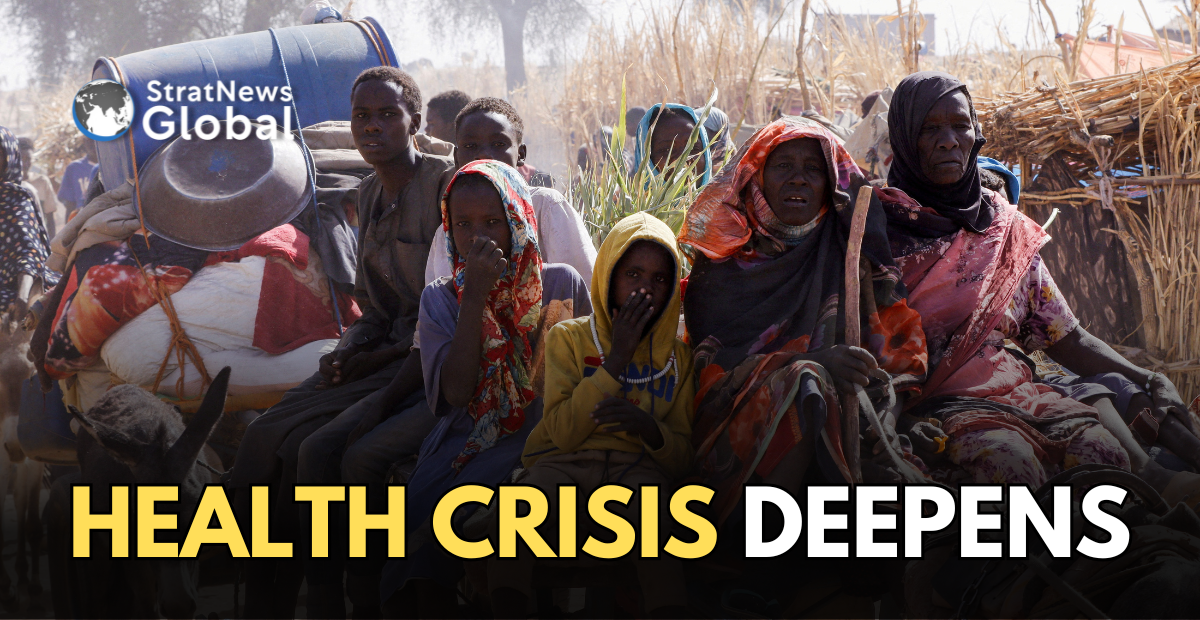
South Sudan is facing its most severe security and humanitarian deterioration since the 2018 peace agreement, with rising violence and declining funding crippling already fragile healthcare services, according to a new report by Médecins Sans Frontières (MSF).
In its report, Left Behind in Crisis: Escalating Violence and Healthcare Collapse in South Sudan, MSF documents a sharp increase in attacks on health facilities, widespread shortages of medicines, and a growing lack of medical staff, warning that the humanitarian response is weakening as international attention shifts elsewhere.
United Nations figures cited in the report indicate that more than 320,000 people have been displaced and at least 2,000 killed since January. MSF says it has recorded eight attacks this year on its own facilities and staff in Central Equatoria, Jonglei, and Upper Nile states.
On December 3, an airstrike hit an MSF facility in Pieri, followed by additional strikes in Lankien later the same day. Dr Sigrid Lamberg, MSF’s head of field operations in South Sudan, said the collapse of essential services is costing lives daily, noting that many health facilities are either non-functional or severely under-resourced and that patients are dying from preventable and treatable diseases.
Healthcare workers report worsening conditions on the ground, with some clinics forced to direct patients to local markets to purchase medicines that are often unavailable. Malaria remains the leading cause of illness and death, particularly among children. For the second consecutive year, South Sudan has experienced nationwide stockouts of malaria medicines during the peak transmission season. Between January and September, MSF treated 6,680 patients with severe malaria requiring hospitalisation.
The crisis has been compounded by flooding and disease outbreaks, including cholera, even as humanitarian funding continues to decline. The Health Sector Transformation Project, launched in 2024 as the government’s primary healthcare delivery programme, was intended to support 1,158 facilities across ten states. According to MSF, only 816 facilities currently receive support, with many operating without sufficient medicines or regular salary payments for staff.
MSF has called for the timely delivery of essential medicines, medical supplies, and health worker salaries, and urged the South Sudanese government to increase health spending in line with its Abuja Declaration commitment of allocating 15% of the national budget to healthcare, compared with the current level of 1.3%.
The report also highlights declining international support and urges global partners to renew commitments. It calls for coordinated action involving the South Sudanese government, the World Health Organisation, UNICEF, and donor governments to restore medicine supplies, ensure safe humanitarian access, and protect health facilities from attack, warning that without renewed domestic and international backing, civilian suffering will continue.