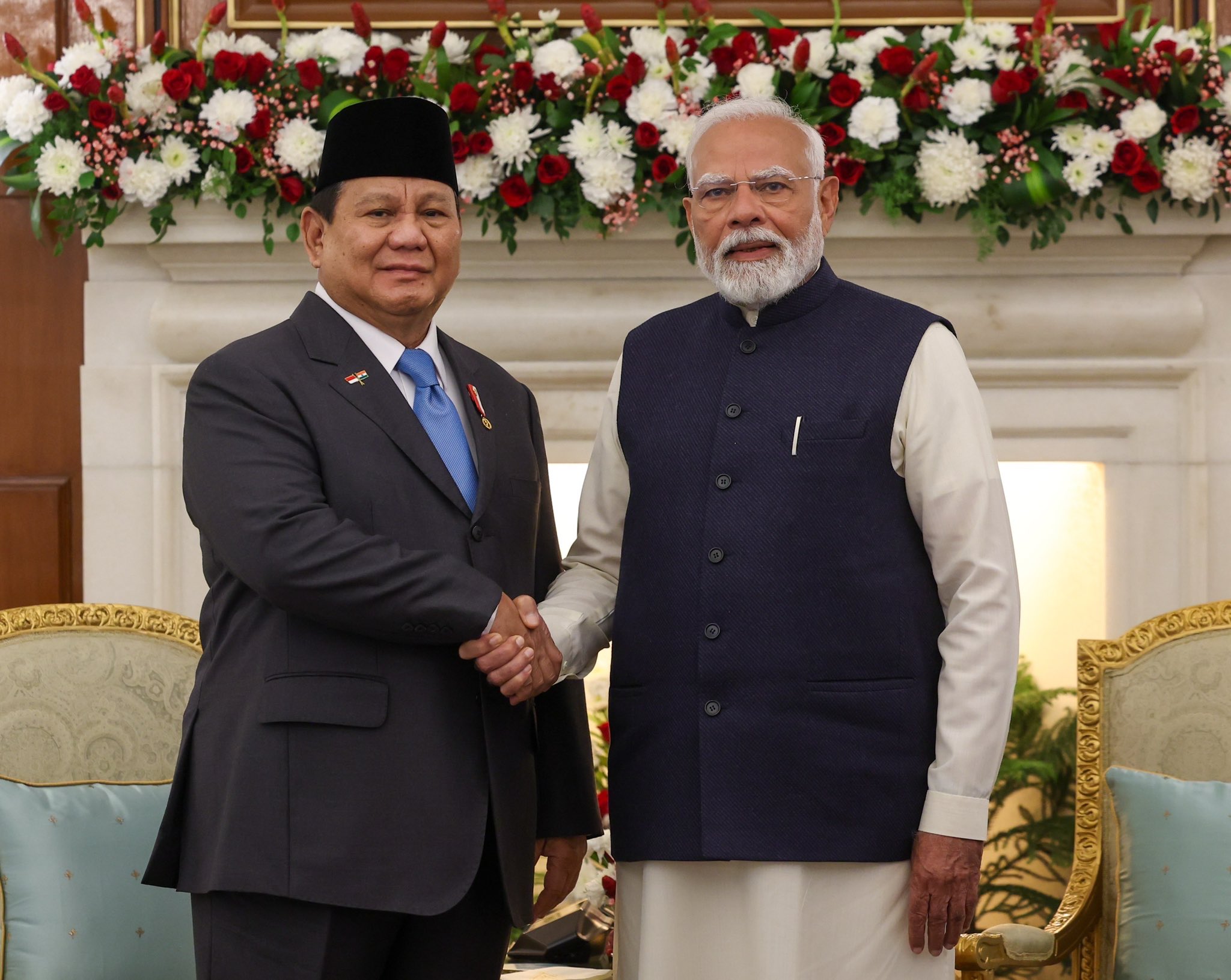
Prime Minister Narendra Modi will head for Indonesia next month, seeking to sustain the momentum generated by Indonesian President Subianto’s visit to Delhi in January last year. Food security in the context of fertilizer is a major focus for Modi given the shortage caused by the Gulf war.
Indonesia has 1.5 million tons of urea left surplus after meeting domestic requirements. State-run PT Pupak Indonesia produces 14 million tons annually including more than 9 million tons of urea.
With the planting season in India getting underway (July to September which is also Indonesia’s period of lower agricultural demand), a deal on the supply of urea could meet India’s fertilizer shortage.
Officials are now expected to work on government-to-government mechanisms and commercial frameworks that could transform the fertilizer trade. That would also significantly boost bilateral trade currently running at $23 billion.
Fast tracking negotiations on a preferential trade agreement, expanding investment flows, and focus on critical mineral cooperation are some of the issues that the two sides are keen to strengthen.
A particularly promising initiative involves linking Indonesia’s QRIS digital payment system with India’s Unified Payments Interface (UPI), potentially making cross-border transactions easier for businesses and tourists.
A deal on the Brahmos supersonic cruise missile is on the cards. It would bring to three the number of southeast Asian countries investing in the missile.
The missile deal is part of a broader engagement with Indonesia that includes modernising its armed forces. Talks will cover maritime security and regional stability initiatives. Discussions are also expected to cover Subang Port near the entrance to the Straits of Malacca. The idea is to strengthen strategic convergence in the Indo-Pacific.
Healthcare, pharmaceuticals, education, space technology, fintech and semiconductor cooperation are also emerging as important sectors for future collaboration.